Boho Geom Papers Vol. 108: A Designer's Textured Toolkit
Understanding the Visual Language of the Collection
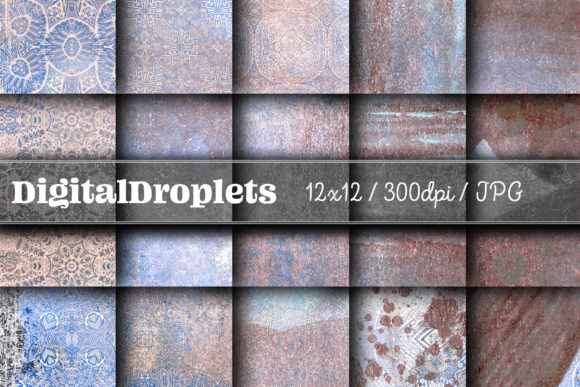
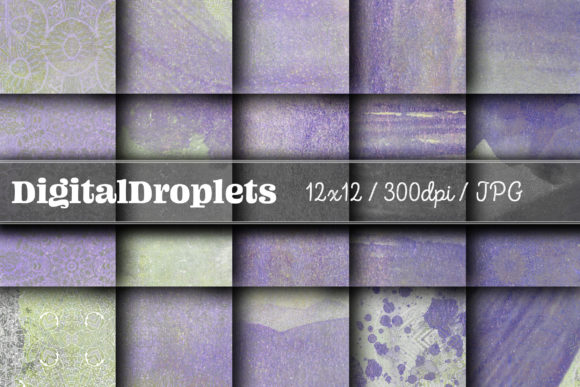
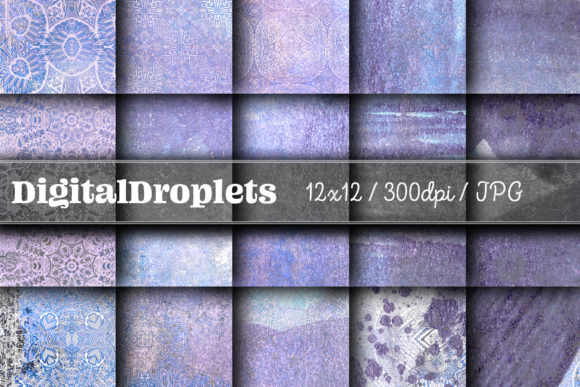
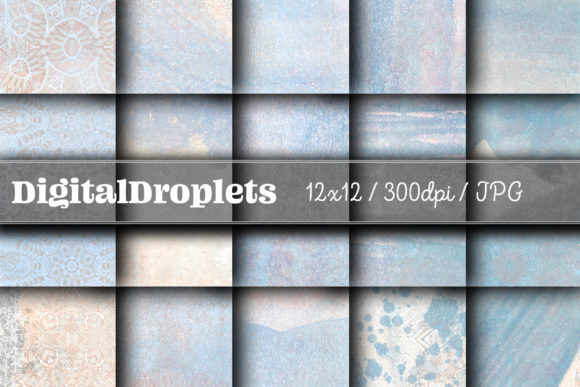
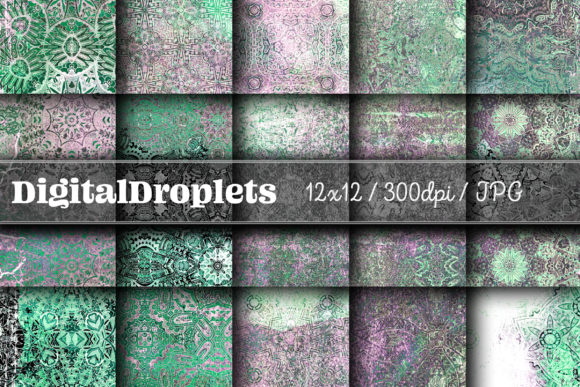
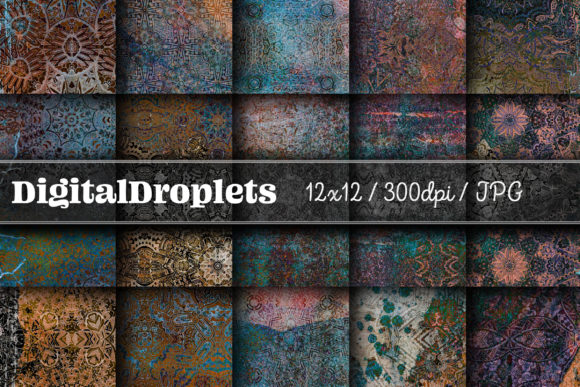
The Boho Geom Papers Vol. 108 | Collection presents a specific aesthetic that balances intricate structure with organic, imperfect textures. At its core, this is a set of ten 12x12, 300dpi JPEG backgrounds, but describing them merely as "papers" undersells their utility. Visually, you are working with a fusion of two distinct elements: precise, mandala-inspired geometric patterns and the soft, unpredictable flow of foggy alcohol ink or watercolor washes. This creates a surface that feels both designed and hand-crafted. The geometry provides a sense of order and rhythm, while the fluid ink overlays add depth and a subtle, atmospheric quality that prevents the patterns from feeling rigid or digital.
A defining characteristic of this particular volume is the treatment of the edges. Each paper features its own unique border, where either a wood-grain or stone-like texture is blended into the composition. This is a practical design detail. It means a paper from the Boho Geom Papers Vol. 108 set can be used as a full-page background, but it also functions exceptionally well as a standalone element—a textured frame, a tag, or a washi tape strip—without needing to create a hard, artificial edge. The border is already integrated, lending an immediate sense of authenticity and physicality to the final product.
Strategic Applications: Beyond the Scrapbook Page
While these papers are a natural fit for retro scrapbooking and junk journaling, their real value emerges when you consider them as foundational design assets for a broader range of projects. For a small business owner building a brand identity, these textures can inform an entire visual system. Imagine using a cropped section of one of these papers as a subtle background for a website hero image, or as the textured fill for a logo mark. The boho-geometric style communicates a blend of creativity and mindfulness, appealing to audiences that value authenticity and artisanal quality. It’s a visual shorthand for brands in wellness, handmade goods, creative coaching, or boutique retail.
In editorial design and packaging design, the applications are equally potent. Use them as chapter openers in a digital magazine, as backgrounds for pull quotes in a blog post, or as the surface texture for product labels. The included wood and stone borders are particularly useful for creating mock-ups of framed art or product displays, adding a layer of realism to client presentations. For social media graphics, these papers offer a cohesive way to create a series of posts. A consistent background texture across an Instagram grid or Pinterest board builds visual recognition and makes your content feel more curated and professional.
Practical Guidance for Implementation
When integrating the Boho Geom Papers Vol. 108 into your workflow, consider a few key principles. First, embrace the opacity and layering. The foggy ink overlays are designed to work with other elements. Try placing text or images on a "Multiply" or "Overlay" blend mode to let the texture interact with your content. This creates a more integrated, less "stuck-on" look. Second, leverage the set's compatibility with the Boho Geo Papers Collection. Since they share the same geometric patterns in different scales, you can create a sense of visual hierarchy and variety. Use a larger-scale pattern for a dominant background and a smaller-scale one for accent elements like tags or business card backs.
Finally, always test for readability. The intricate patterns and textured backgrounds, while beautiful, can compete with text. For body copy, use these papers sparingly or as very subtle backgrounds behind high-contrast text boxes. They excel as backgrounds for headlines, single words, or short phrases set in a bold, clean display font—a sturdy serif font or a straightforward sans serif font often pairs well, providing a clear counterpoint to the detailed texture. For logo design or brand identity work, consider extracting a small, compelling section of a pattern to use as a standalone graphic motif, ensuring it remains recognizable even at small sizes.