GoldenVintageGarden Vol. 26 | Vintage Paper Textures for Design
The Layered Character of the Golden Vintage Garden Collection
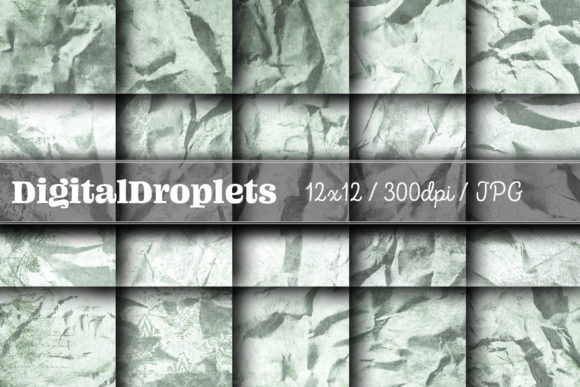
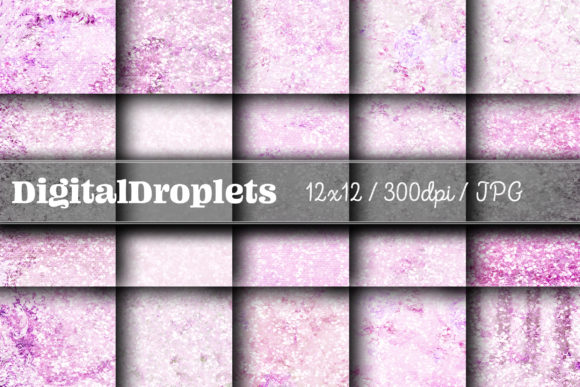
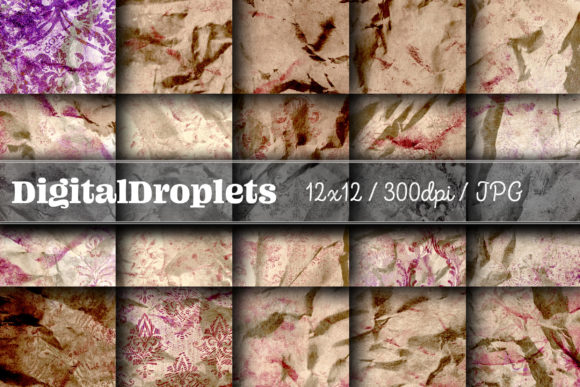
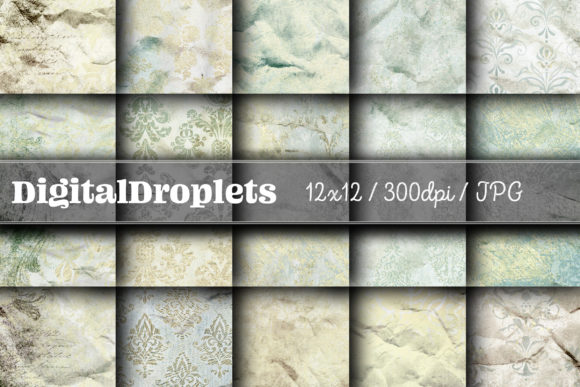
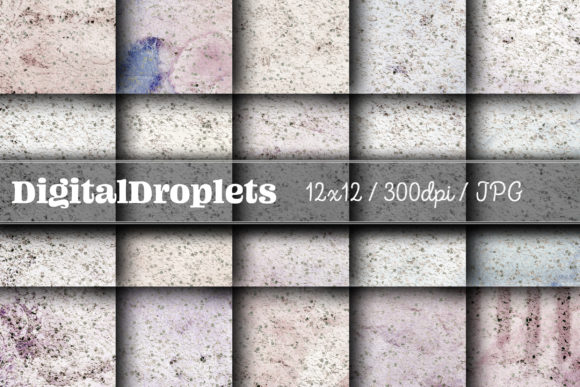
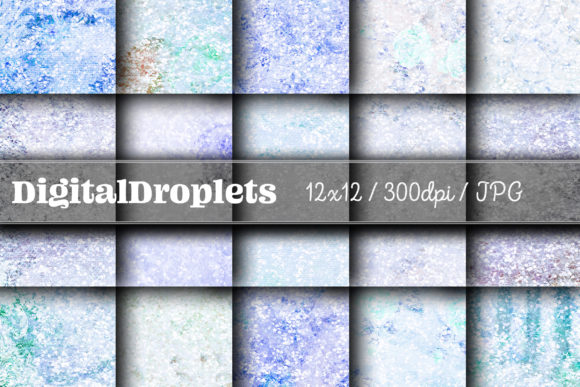
The GoldenVintageGarden Vol. 26 | Collection brings together a specific set of visual textures that many digital creators struggle to build from scratch. This 12×12 paper set includes 10 high-resolution JPEG files at 300dpi, each combining vintage damask and lace patterns with cardboard textures and subtle glitter overlays. The alcohol ink and watercolor blending effects add depth that flat digital papers rarely achieve. What makes this particular collection stand out is the balance between ornate vintage styling and practical usability. The patterns do not overwhelm, and the glitter textures catch light without dominating a layout. These are backgrounds designed to support other design elements rather than compete with them.
Each paper in the set carries a distinct personality. Some lean toward warm, aged tones that evoke antique correspondence and Victorian-era stationery. Others feature cooler undertones with muted blues and greens that feel more like weathered garden elements. The damask patterns vary in scale and intricacy, giving designers options depending on whether they need a bold backdrop or something more understated. The lace textures add a delicate, handcrafted quality that works particularly well for projects targeting audiences who appreciate artisanal and handmade aesthetics.
Where These Textures Work Best
The practical applications for the GoldenVintageGarden Vol. 26 paper set extend well beyond traditional scrapbooking, though that remains one of the most natural fits. Junk journal creators find these textures especially useful because the layered, imperfect quality of the papers complements the eclectic, mixed-media nature of journaling projects. The cardboard and watercolor elements blend seamlessly with actual ephemera, vintage stamps, and handwritten notes. For digital scrapbook pages, the 12×12 format and 300dpi resolution provide enough detail for full-bleed printing without pixelation or quality loss.
Small business owners and entrepreneurs working in product-based industries can use these backgrounds for packaging inserts, thank-you cards, and branded stationery. The vintage aesthetic resonates strongly with customers who shop handmade marketplaces, artisan food brands, boutique clothing lines, and specialty gift services. Blog designers and content creators working in lifestyle, home decor, gardening, or craft niches will find these papers translate well to digital formats. They work as website background textures, social media post backgrounds, and newsletter headers. The key is scaling and adjusting opacity so the texture enhances rather than distracts from text and primary imagery.
For print designers working on invitations, greeting cards, and event stationery, the GoldenVintageGarden Vol. 26 collection provides ready-made foundations that reduce production time significantly. Wedding invitations, bridal shower cards, tea party themes, and anniversary celebrations all benefit from the romantic, nostalgic quality these papers deliver. Photographers can use them as digital backdrops for flat-lay product photography, particularly for jewelry, perfume, cosmetics, and vintage merchandise. The subtle glitter and watercolor effects add visual interest without creating busy or distracting compositions.
Working With Texture-Heavy Backgrounds
Designers new to working with textured paper backgrounds should consider a few practical guidelines. First, text legibility depends heavily on contrast and placement. When using papers from the GoldenVintageGarden Vol. 26 set as backgrounds for cards, tags, or digital graphics, adding a semi-transparent overlay or placing text within a solid-colored frame or shape helps maintain readability. The damask and lace patterns, while subtle, can interfere with small body text if the color values are too similar. Testing at actual print size before committing to a final layout prevents surprises.
Font pairing matters significantly when working with vintage-style backgrounds. Serif typefaces with moderate contrast and classic proportions tend to complement the ornate quality of these papers without creating visual conflict. Script fonts work well for headlines and accent text, particularly when the lettering has a hand-drawn or calligraphic quality that echoes the artisanal feel of the textures. Sans serif fonts can provide useful contrast and modernity, but choosing options with slightly rounded terminals or humanist proportions helps them feel less jarring against the vintage backdrop. The goal is creating a cohesive visual language where every element feels intentional and connected.
Color coordination requires attention as well. The papers in this collection include a range of warm neutrals, muted pastels, and deeper earth tones. Pulling accent colors directly from the chosen paper ensures that additional design elements like borders, embellishments, and typography harmonize with the background. Many designers use color picker tools to sample specific hues from the paper and build their palette around those selections. This approach creates visual consistency across multi-page projects like junk journals, scrapbook albums, and branded stationery sets.
Practical Considerations for Commercial and Personal Projects
The GoldenVintageGarden Vol. 26 collection ships as 10 JPEG files, though the full set includes 20 papers with additional variations available in the shop. Before purchasing, reviewing the available freebie samples helps confirm that the aesthetic direction aligns with project needs. For commercial use, understanding the licensing terms is essential. Most digital paper sets like this one allow use in finished, flattened products but restrict redistribution of the original files. This means designers can incorporate the textures into cards, prints, and digital products they sell, but cannot resell or share the raw paper files themselves.
The 300dpi resolution and 12×12 inch dimensions make these papers suitable for professional printing through services like Moo, Vistaprint, or local print shops. For digital-only applications such as blog backgrounds, social media graphics, or website textures, resizing and optimizing file formats for web performance is necessary. Converting to compressed JPEG or WebP formats while maintaining acceptable visual quality keeps page load times reasonable. The high resolution of the original files provides generous flexibility for cropping, scaling, and repurposing across different aspect ratios and output sizes.
For designers building a library of reusable assets, having a collection of quality vintage textures like those in the GoldenVintageGarden Vol. 26 set reduces dependency on stock photo subscriptions and generic template resources. These papers serve as starting points that can be modified through color adjustments, layer blending, opacity changes, and combination with other design assets. Building projects around a consistent texture collection also strengthens brand identity and visual recognition, particularly for creators who regularly produce content in the vintage, rustic, or handmade aesthetic space.