Mandala Vintage Vol. 26: A Designer's Guide to Timeless Texture
Unpacking the Aesthetic: More Than Just a Background
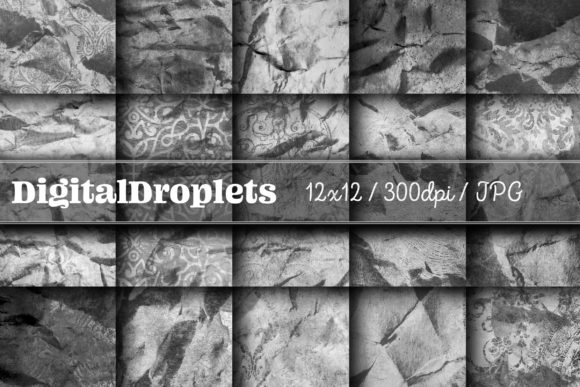
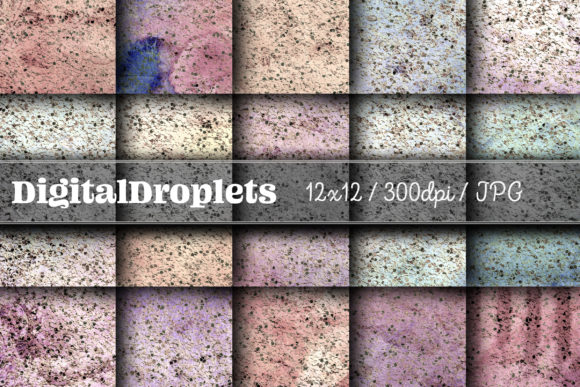
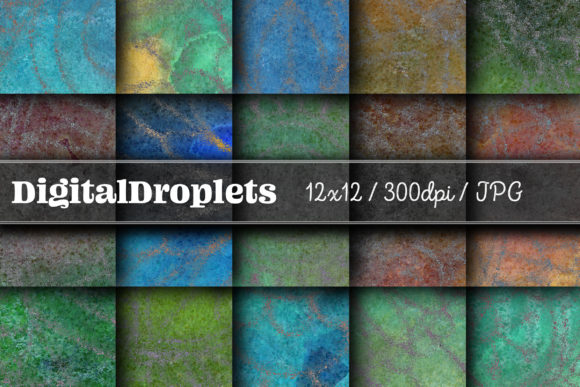
When you first open the Mandala Vintage Vol. 26 | Collection, you're not just getting a set of papers; you're accessing a specific mood. This collection sits at a fascinating intersection where intricate, almost spiritual mandala patterns meet the soft, worn character of vintage ephemera. The visual personality here is one of layered history and handcrafted detail. Think of the subtle texture of aged parchment combined with the geometric precision of mandala art. It’s a style that feels both intentional and organically aged, avoiding the sterility of digital perfection while maintaining a high level of professional quality.
The appeal lies in its duality. The mandala motifs provide structure and a focal point, while the vintage background treatment adds warmth and authenticity. This combination works incredibly well for projects that need to convey a sense of timelessness, mindfulness, or bohemian elegance. It’s not a loud, aggressive style; it’s more of a confident whisper that draws viewers in for a closer look. The 12x12 format and 300dpi resolution mean these aren't just decorative snippets—they are full-fledged design assets ready for serious production work.
Practical Applications: Where This Collection Truly Shines
Understanding where to deploy the Mandala Vintage Vol. 26 | Collection is key to maximizing its value. For scrapbooking and junk journaling, these papers are ideal base layers. They provide instant visual interest without overwhelming the photos and ephemera you layer on top. Use them as full-page backgrounds or cut them into frames, tags, and washi tape strips. The vintage style naturally complements other retro elements like lace, postage stamps, and typewriter fonts.
In the realm of branding and marketing, this collection offers a unique texture for niche businesses. Imagine a boutique yoga studio, an artisan tea brand, or a handmade jewelry maker. Using these papers as backgrounds for social media graphics or website headers can immediately establish a brand identity that feels holistic, earthy, and sophisticated. They work exceptionally well for packaging design—think of a paper sleeve for a candle or a backdrop for product photography. The key is to use them as a supporting element that enhances, rather than competes with, your primary typography and logo design.
For editorial design and blog design, these papers can solve the common problem of creating engaging visual breaks. Use them as chapter dividers in an e-book, as background panels for pull quotes, or as thematic borders for photo essays. In print projects, they are perfect for creating unique invitations, greeting cards, and wall art. The mandala pattern adds a decorative quality that can reduce the need for additional graphic elements, streamlining your design process.
Strategic Design Considerations
Working with a strong thematic collection like this requires some strategic thinking to maintain professionalism and clarity. Here’s how to integrate it effectively into your workflow.
- Evaluating Project Fit: This collection excels in contexts where warmth, spirituality, or vintage charm are desired. It may not be the best fit for ultra-modern, minimalist, or corporate tech projects. Always ask: does the personality of these papers align with the message I need to communicate?
- Font Pairing is Critical: The ornate nature of the mandala patterns means your typography needs to be chosen with care. Sans serif fonts with clean, geometric lines can create a beautiful contrast, keeping text readable against the detailed background. A simple serif font can also work for a more classic, bookish feel. Avoid overly decorative script fonts or handwritten fonts for body copy, as they can become illegible. Use them sparingly for headlines only.
- Readability and Visual Hierarchy: The primary rule when using patterned backgrounds is to ensure your text remains king. Use solid color overlays (a semi-transparent white or beige box) behind important text blocks to guarantee contrast. Play with scale—a large, bold headline can stand up to the pattern, while small body text needs a quieter area or a solid backdrop.
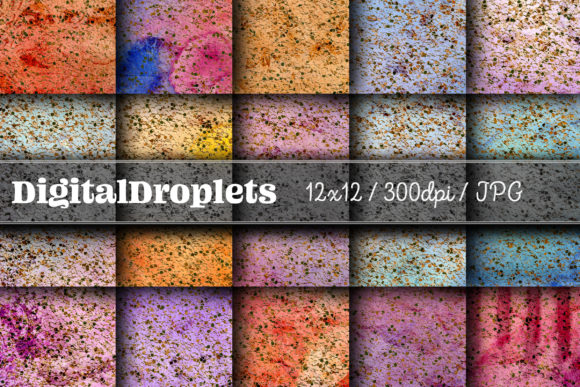
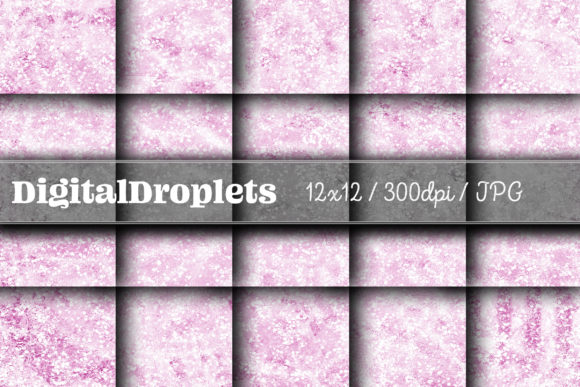
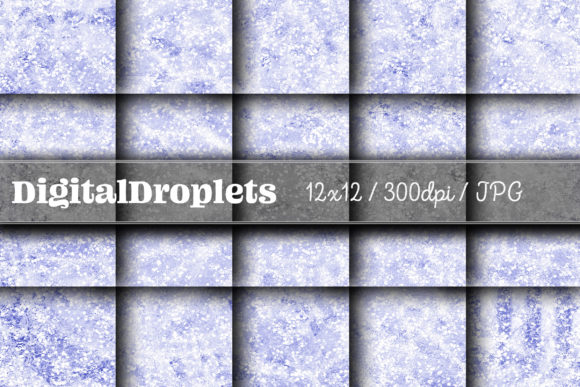
- Leveraging the Full Set: Don’t just use one paper from the set of 20. Explore the variations. Use different papers for different sections of a project to create cohesion with subtle variety. For example, in a planner sticker sheet, each sticker could have a slightly different background from the collection, tying the set together thematically.
A Note on Commercial Use and Authenticity
For designers, marketers, and small business owners, the commercial licensing of design assets is a non-negotiable consideration. The Mandala Vintage Vol. 26 | Collection is provided for such use, allowing you to incorporate these textures into client work, products for sale, and branded materials. This transforms the set from a hobbyist's scrapbook tool into a legitimate component of a professional design assets library.
Ultimately, the value of a collection like this lies in its ability to inject a specific, hard-to-replicate aesthetic into your work efficiently. Instead of spending hours trying to create a convincing vintage texture or sourcing a high-quality mandala pattern, you have a cohesive set at your fingertips. It allows you to focus on the bigger picture of layout, messaging, and overall brand identity, confident that the foundational textures are handled with quality and style. Check the variations and freebies available to test the waters and see how this timeless collection can elevate your next project.