Golden Vintage Garden Vol. 47: A Designer's Layered Textures
Finding the right design assets can feel like searching for a specific thread in a vast tapestry. You need something that conveys a specific mood—perhaps one of timeless elegance, nostalgic charm, or rustic authenticity—without looking like a generic template. The GoldenVintageGarden Vol. 47 | Collection offers a nuanced solution for creators who appreciate depth and subtlety. This isn't just another set of pretty papers; it's a carefully curated toolkit for building visual stories with a distinct vintage personality.
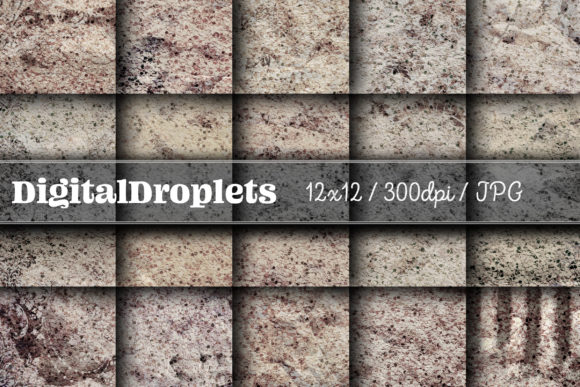
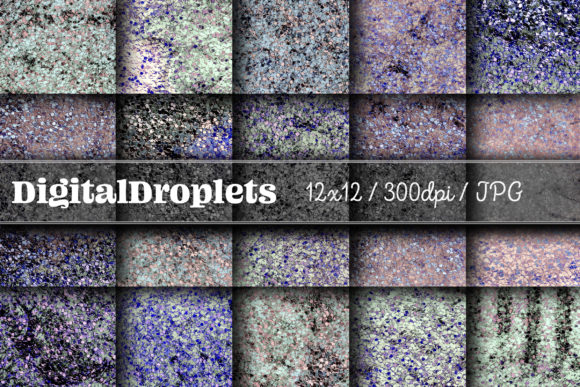
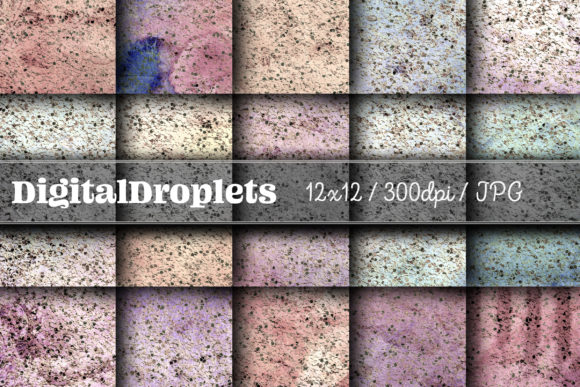
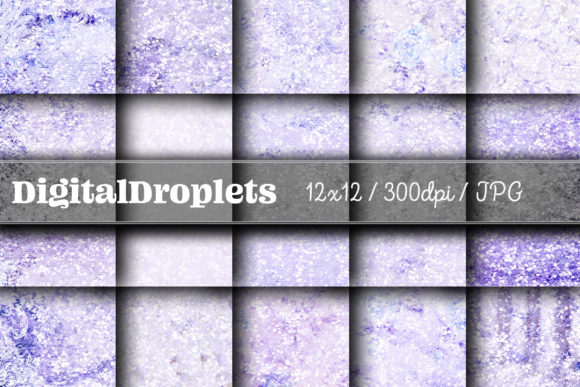
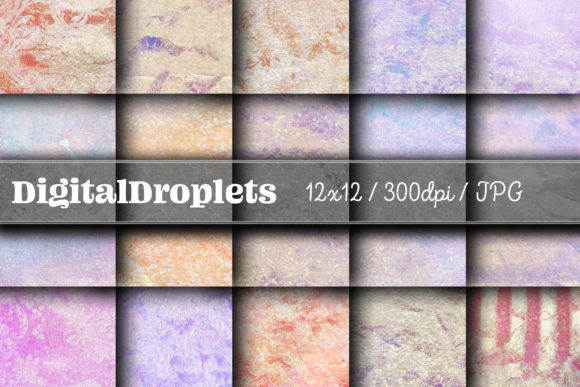
At its core, this collection is defined by its layered complexity. Each of the ten 12x12 inch papers begins with a classic foundation: think intricate damask patterns and delicate lace motifs. These aren't flat, static designs. Overlaid upon them are subtle glitter textures that catch the light in a sophisticated, not garish, way. The real magic, however, comes from the blended textures of alcohol ink or watercolor washes. This technique introduces a beautiful, organic imperfection and a sense of history, as if each paper has been gently aged or artistically treated. The result is a set of backgrounds that feel rich, tactile, and full of character, moving far beyond simple digital prints.
Understanding the Visual Language
The personality of the GoldenVintageGarden Vol. 47 paper set sits at a compelling intersection. It carries the formality and structure of traditional damask and lace, which often evokes a sense of heritage and refinement. Yet, the watercolor and ink overlays break that formality, adding a handcrafted, artistic, and slightly bohemian flair. This duality is its strength. It allows the assets to serve projects that need a touch of elegance without feeling stiff or overly ornate. The subtle glitter provides just enough luminosity to add interest and depth, making these papers excellent for focal points rather than just background filler.
From a practical standpoint, the 300dpi high-resolution JPEG files ensure these textures hold up beautifully in both digital and print projects. The 12x12 inch square format is a standard for scrapbooking, but its utility extends far beyond that niche. For designers and marketers, this format is a versatile canvas. You can easily crop sections for web banners, extract textures for social media graphics, or use the full sheet as a foundation for print collateral. The consistency across the ten papers in the set allows for cohesive theming, while the variation within them provides enough diversity to build a complete visual system.
Practical Applications Across Creative Fields
Where does a resource like the GoldenVintageGarden Vol. 47 | Collection 12x12 Paper Set of 10 papers truly shine? The applications are surprisingly broad, limited only by the need for that vintage, textured aesthetic.
For crafters and hobbyists, these are ideal for junk journal backgrounds, creating layered collage elements, custom washi tape strips, and embellished tags. The textures add instant interest to handmade cards, gift wrap, and planner stickers, giving projects a professional, polished look without hours of manual aging or painting.
Digital designers and content creators can leverage these assets for a multitude of purposes. Use them as:
- Website and blog backgrounds: They provide a warm, engaging foundation that avoids the sterility of plain white or solid colors.
- Social media graphics: Create eye-catching Instagram posts, Facebook covers, or Pinterest pins with built-in depth and style.
- Brand collateral: Develop unique business cards, letterheads, or packaging designs that communicate a brand identity rooted in craftsmanship, nostalgia, or boutique luxury.
In editorial and publishing design, these papers can set the tone for book covers, magazine layouts, or digital publication backgrounds. They work exceptionally well for themes involving history, romance, gardening, home décor, or artisanal products. The layered effect helps establish a clear visual hierarchy, with text and other graphic elements popping against the richly textured backdrop.
Making Informed Design Choices
Integrating any new design asset effectively requires a bit of strategy. Here’s how to approach working with the GoldenVintageGarden Vol. 47 collection:
- Evaluate Project Fit: Does your project call for warmth, texture, and a touch of vintage? These papers excel in creating an emotional connection and a sense of quality. They might be less suitable for ultra-modern, minimalist, or high-tech branding where clean lines and flat colors are paramount.
- Consider Typography Pairing: The ornate nature of these backgrounds pairs best with cleaner typefaces to ensure readability. A simple sans-serif font can provide a modern counterpoint, while a classic serif font can lean into the traditional feel. Avoid overly decorative script fonts on top of the busiest paper patterns, as this can create visual clutter.
- Test for Readability: Always place your text over the papers and check legibility at various sizes. The subtle textures shouldn't interfere with body text, but if they do, consider using the papers for larger elements like headers or background shapes, and opt for a solid, complementary color for text-heavy areas.
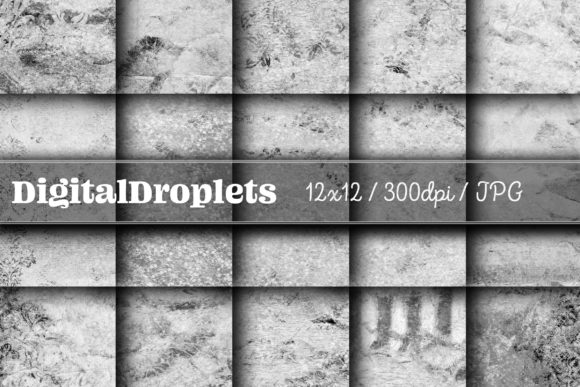
- Leverage the Variations: Don't treat the ten papers as interchangeable. Use the more patterned damask versions for focal points and the more subtly textured cardboard or watercolor versions for supporting elements. This creates a cohesive yet dynamic layout. Remember, the listing shows a sample from a larger 20-paper collection, so exploring the full set can offer even more range.
The true value of a resource like the GoldenVintageGarden Vol. 47 | Collection lies in its ability to inject personality and depth into a project efficiently. It saves countless hours that might be spent manually creating or searching for similar textures. For the designer, marketer, or entrepreneur, it's a tool for building a recognizable brand aesthetic. For the crafter and hobbyist, it's a gateway to more professional and satisfying results. By understanding its visual language and applying it thoughtfully, you can transform ordinary projects into compelling visual narratives.