Golden Vintage Garden Vol. 93: A Designer's Layered Paper Set
The Visual Character of These Vintage Papers
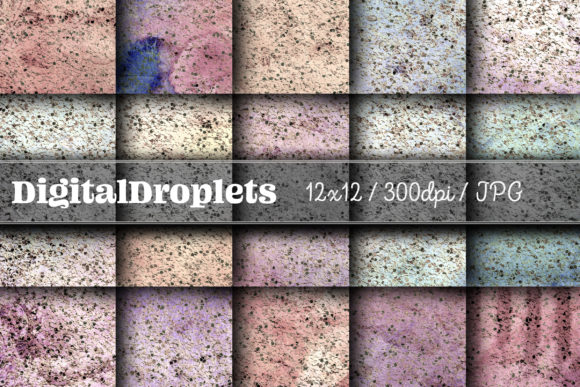
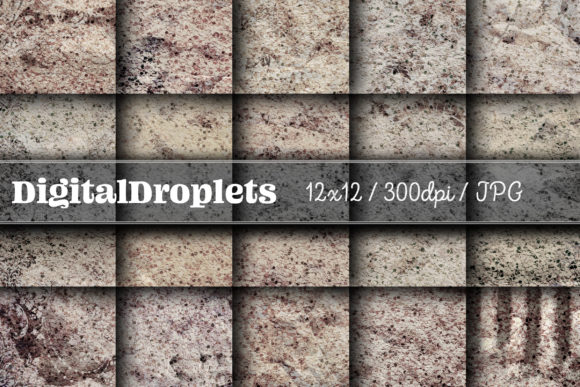
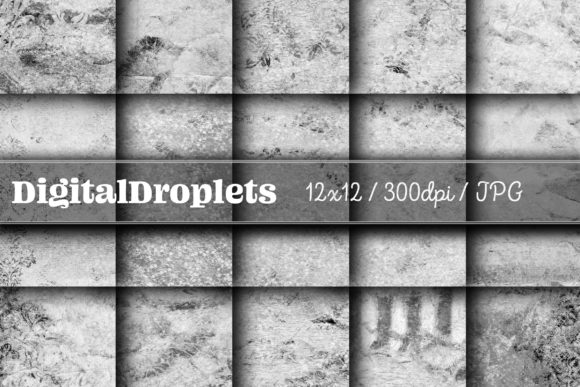
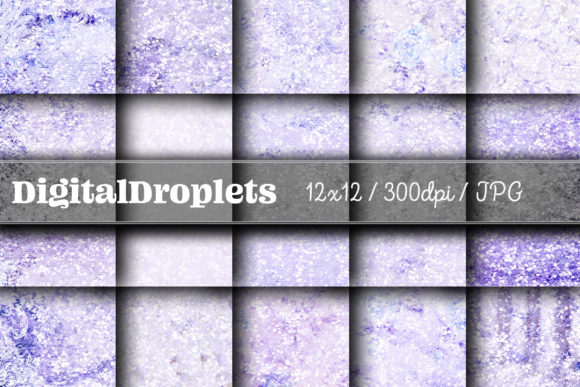
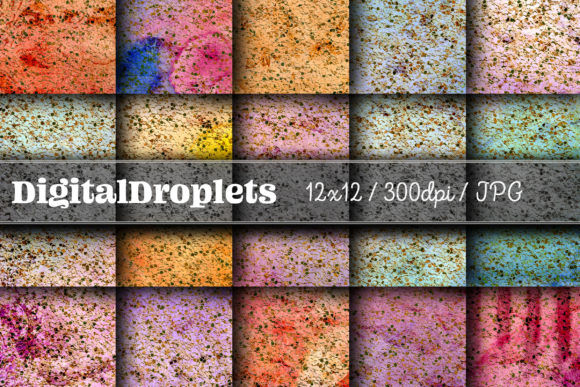
When you first open the Golden Vintage Garden Vol. 93 collection, you will notice something immediately: these are not flat, single-layer backgrounds. Each of the 10 papers in this 12×12 paper set carries multiple visual textures that interact with each other in ways that feel organic and intentional. Damask patterns sit beneath lace overlays. Cardboard textures peek through subtle glitter finishes. Alcohol ink and watercolor effects blend across the surface, creating depth that flat digital papers rarely achieve.
The personality of this collection leans heavily into romantic vintage aesthetics without feeling overly precious or dated. There is a warmth here that comes from the earthy tones and the way the textures soften each other. The glitter is not the chunky, obvious kind you might associate with craft store scrapbook paper. It is refined, almost like a whisper across the surface, adding just enough shimmer to catch light without overwhelming the design beneath it.
What makes these papers particularly useful for design work is their layered quality. If you have ever tried to create vintage-style backgrounds from scratch, you know how difficult it is to achieve this kind of visual complexity. The textures in Golden Vintage Garden Vol. 93 work together rather than competing for attention. The damask patterns provide structure. The lace adds delicacy. The cardboard grounds everything with an organic, tactile feel. And the alcohol ink or watercolor washes tie it all together with color and movement.
Where These Backgrounds Work Best
Scrapbooking is the most obvious application, and these papers excel there. Whether you are building pages for a physical photo album or designing digital scrapbook layouts, the 12×12 format at 300dpi gives you print-ready quality with plenty of room to crop and adjust. The vintage style pairs naturally with sepia-toned photographs, family portraits, and heritage themes, but do not limit yourself to the obvious.
Junk journal creators will find these backgrounds especially useful. The layered textures mimic the look of aged, mixed-media pages that junk journal artists spend hours building by hand. Use them as base pages, or cut them into smaller pieces for pockets, tuck spots, and decorative elements. The cardboard textures in particular work beautifully when you want that handmade, collected-over-time feeling.
For card makers, these papers provide rich backgrounds that require minimal additional design work. A simple sentiment stamp or printed greeting over one of these textures creates a finished card that looks thoughtful and crafted. The subtle glitter catches light in ways that make even simple designs feel special. Birthday cards, thank you notes, sympathy cards, and holiday greetings all benefit from the warmth and depth these backgrounds provide.
Beyond traditional crafting, consider these papers for digital applications. Blog headers, social media graphics, and website backgrounds can all use these textures to establish a vintage or romantic brand aesthetic. Photographers might use them as backdrops for flat lay product photography, especially for jewelry, cosmetics, or artisan goods. The textures add visual interest without being so busy that they distract from the subject.
Practical Considerations for Your Projects
Before you commit to using Golden Vintage Garden Vol. 93 in a project, take a moment to evaluate how the collection's personality aligns with your specific needs. These papers lean romantic and vintage, which means they work well for brands, projects, and designs that embrace warmth, nostalgia, femininity, or artisanal quality. If your project calls for clean, modern, or minimalist aesthetics, you might need to use these selectively or pair them with simpler design elements to avoid visual conflict.
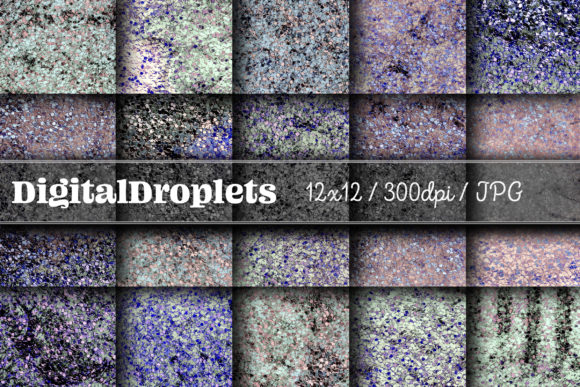
The listing notes that the 10 included papers are part of a larger 20-paper set, and the preview images are selected randomly from the full collection. This is worth understanding before purchasing. You are getting a curated subset, which means some variation in color and pattern exists within what you receive. For most projects, this variety is actually an advantage. It gives you options for creating visual hierarchy within a single design or maintaining consistency across a series of related pieces.
Font pairing matters when you layer text over these backgrounds. Because the textures are detailed, you want typefaces that remain legible against the visual complexity. Clean serif fonts and sans serif fonts tend to work well here, especially at larger sizes. Script fonts and handwritten fonts can also work, but test them carefully at the size you plan to use. Adding a subtle drop shadow or placing text on a semi-transparent overlay can improve readability significantly.
For commercial use, always verify the licensing terms before incorporating these papers into client work, products for sale, or business branding materials. Most digital paper sets include commercial licenses, but the specifics vary. Understanding what you can and cannot do with the files protects both you and your clients.
Getting the Most from Your Design Assets
One approach I recommend: before starting a project, browse all 10 papers and identify which ones share a color palette or tonal quality. This helps you build cohesive designs when using multiple backgrounds across a single project. A set of invitation, response card, and envelope liner will look intentional when the papers share similar warmth or color temperature, even if the patterns differ.
Do not hesitate to modify these papers to fit your vision. Adjusting the color balance, increasing or decreasing saturation, or applying additional texture overlays can transform a background to match a specific brand identity or design concept. The high resolution gives you flexibility to crop tight sections for smaller elements like tags, washi tape strips, or planner stickers without losing quality.
Experiment with layering these papers beneath other design assets. A torn edge of one paper overlapping another creates beautiful dimension. Using them as fills for shapes, frames, or letterforms opens up creative possibilities that go well beyond simple backgrounds. The key is treating these papers as raw materials rather than finished designs. They are starting points that respond well to creative manipulation and thoughtful composition.